Traditional Food In Japan
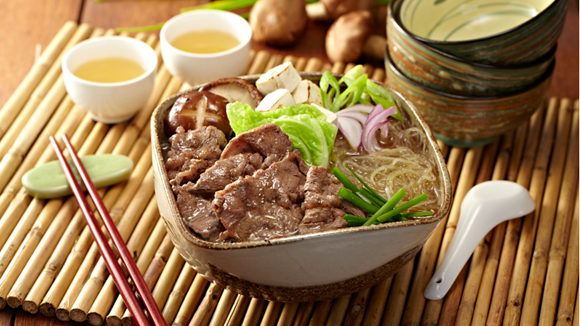
SUKIYAKI
Sukiyaki is prepared right at the table by cooking thinly sliced beef together with vegetables, tofu and vermicelli.
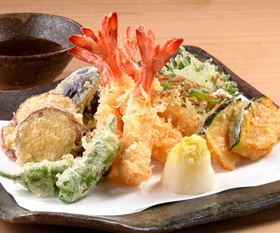
TEMPURA
Tempura is food deep-fried in vegetable oil after being coated with a mixture of egg, water and wheat flour. Among the ingredients used are prawns, fish in season and vegetables.
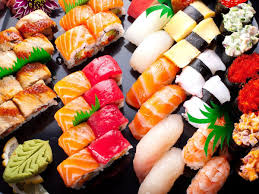
SUSHI
Sushi is a small piece of raw seafood placed on a ball of vinegared rice. The most common ingredients are tuna, squid and prawns. Cucumber, pickled radish and sweet egg omelet are also served.
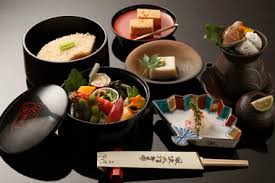
KAISEKI RYORI
Kaiseki ryori is regarded as Japan's most exquisite culinary refinement. Consisting mainly of vegetables and fish with a seasoning base of seaweed and mushrooms, the dishes are characterized by their refined savor.
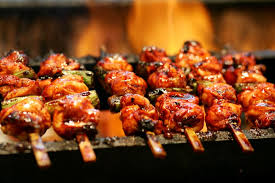
YAKITORI
Yakitori is made up of small pieces of chicken meat, liver and vegetables skewered on a bamboo stick and grilled over hot coals.
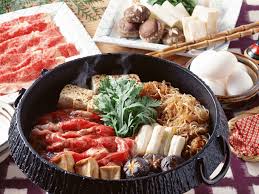
SHABU-SHABU
Shabu-shabu is tender, thin slices of beef held with chopsticks and swished around in a pot of boiling water, then dipped in sauce before being eaten.
Local Cuisine
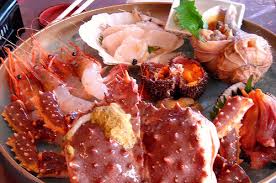
HOKKAIDO -
SEAFOOD
This delicious bounty includes crab, scallops, sea urchins, salmon roe, salmon, herring, flounder, cod, arabesque greenlings, squid, octopus, shrimp, abalone, surf clams and kelp. Harvested from the northern seas, these seafood products have exquisite taste and flavor, and are rated among the best of their type.
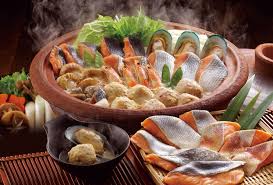
HOKKAIDO -
ISHIKARI - NABE
Ishikari-nabe is a typical dish of Hokkaido, making use of fresh salmon from head to tail. The name comes from the Ishikari-gawa River, famed for its salmon catch, and the same dish is known as tokachi-nabe in the Obihiro area. Chunks of salmon are stewed with vegetables, tofu and konnyaku (devil's tongue) in kelp stock flavored with miso.
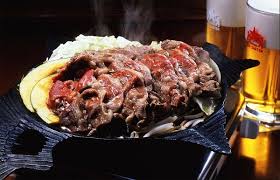
HOKKAIDO -
GENGHIS KHAN NABE
The Genghis Khan nabe (Barbecued mutton) is a special helmet-shaped pan made from cast iron. It is also a dish in which thinly sliced mutton and vegetables (bean sprouts, cabbage and pumpkin) are basted and roasted. Perhaps its name stems from being a favorite of Genghis Khan, founder of the Mongol Empire. Or perhaps it stems from Mongolian soldiers roasting mutton in their warrior helmets.
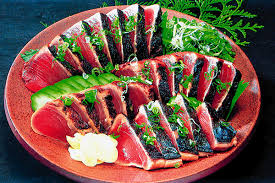
SHIKOKU -
BONITO
Bonito is a very popular fish in Japan and nobori-katsuo (bonito swimming north) is highly prized. The Tosa area in Kochi is famous for its good quality bonito, which is actually designated as the official fish of the prefecture. They are tasty when eaten as sashimi and are the main ingredient in sawachi, a traditional dish in Tosa. Another famous dish is tataki (lightly roasted bonito).
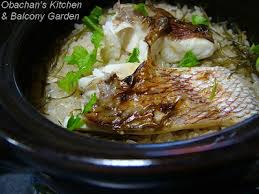
SHIKOKU -
TAI
Tai is a very familiar fish to the Japanese. Red snapper in particular are called the "King of fish," and with the head still on, they have been a crucial element in rituals and celebrations since ancient times. As a cooking ingredient their advantages include a beautiful shape, excellent taste, firm flesh and a wide range of uses in various kinds of dishes.
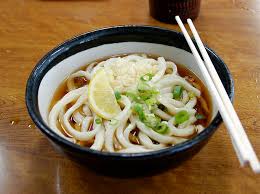
SHIKOKU -
KAGAWA
Kagawa, famous as the origin of Sanuki-udon (named after the prefecture's Sanuki region), is an "Udon Kingdom," with its many udon (wheat-flour noodle) makers and restaurants. Sanuki wheat-flour noodles are noted for their strong body and smooth texture. The basic way of eating them is to pour a kelp-based soup seasoned with light soy sauce over the noodles
KANSAI -
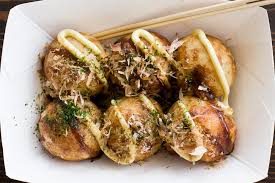
OCTOPUS DUMPLINGS
Octopus dumplings are made by preparing a batter of flour blended with stock and pouring it onto a special iron plate with holes in it, adding chunks of octopus together with chopped onions and cabbage plus some pickled ginger, and baking them into balls by rolling them as they are cooked. The baked batter is crispy and spicy on the outside and soft inside, giving the dumplings a unique, crunchy texture and taste.
KANSAI -
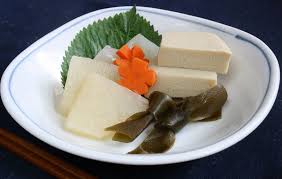
KOYADOFU
Koyadofu, handed down from ancient Japanese times, is made by freezing tofu to remove water and then drying it. It is a crucial ingredient in shojin-ryori (traditional meal for Japanese Buddhist priests). Some say that the 'koya' of koyadofu came from Mt. Koya-san in Wakayama, which is a historic site for Buddhist temples. It is also called koridofu because it is made by freezing (kooraseru).
KANSAI -
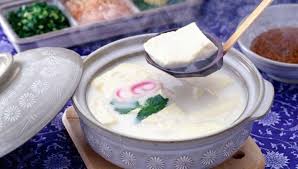
YUDOFU
Yudofu warms you up in cold weather and thus, is one of the main winter pan dishes in Japan. The light taste and smooth texture of tofu is very appealing. The hand-made tofu is cooked in a kelp-based soup, and then it is taken out before it loses its shape and dipped it in relish. Some say that the best way to enjoy it is to scoop it out of the pan as soon as it starts floating. Boiled tofu was originally eaten by Buddhist priests in Kyoto.
KYUSHU -
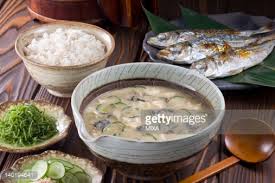
HIYAJIRU
A typical local dish of Miyazaki is hiyajiru. A soup is made from boiled-dried fish such as horse mackerel or dried sardines, and miso is also added. The soup is chilled and poured onto hot, cooked rice and eaten with vegetables such as cucumber and relishes including Japanese basil or ginger.
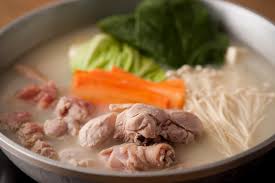
KYUSHU -
MIZUTAKI
Fukuoka, the birthplace of mizutaki, is among the prefectures with the highest annual consumption of chicken per household. The origin of unseasoned boiled chicken goes back to the Meiji Era (1868-1912). It first appeared in Hakata in Fukuoka, inspired by the consomme soup of Western dishes and Chinese chicken dishes.
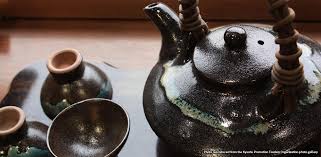
KYUSHU -
SHOCHU
The second most popular alcoholic beverage of Japan is shochu, which is categorized into two types according to the distillation method. One is honkaku shochu, (authentic shochu), which includes extracted flavor compounds in addition to alcohol made through the classic production method.